Coliseum scandal
The Times has been reporting for more than a year on financial irregularities at the Los Angeles Memorial Coliseum, stories that have triggered several criminal and civil inquiries. Three former Coliseum managers, two nationally prominent rave promoters and a stadium contractor have been indicted in the scandal. Full coverage
|
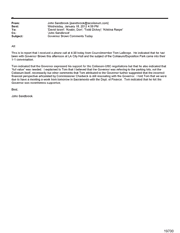
A Coliseum official, John Sandbrook, shares with USC a briefing he said he received from Los Angeles Councilman Tom LaBonge regarding the governor’s thoughts on the negotiations.
|
|
|
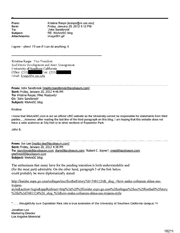
Coliseum executive John Sandbrook warns a USC official, Kristina Raspe, about a Trojan fan website urging the Coliseum and surrounding Exposition Park — which are owned by the public — be turned “into a true extension of the University of Southern California campus.”
|
|
|
Dec. 28, 2013
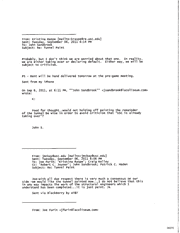
A Los Angeles Coliseum official, John Sandbrook, gives public relations and ‘nose-counting’ tips to USC in its effort to take over management of the stadium.
|
|
|
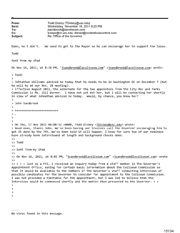
L.A. Coliseum executive John Sandbrook asks a USC vice president, Todd Dickey, if he knows an alternate stadium commissioner who might play a role in a key vote.
|
|
|
Dec. 28, 2013
Los Angeles Memorial Coliseum interim general manager John Sandbrook testifies in an open-government lawsuit filed against the Coliseum commission.
|
|
|
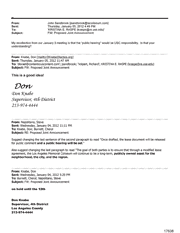
Emails between Los Angeles Memorial Coliseum executive John Sandbrook show him and commissioners deferring to USC on matters of transparency. In this exchange, Sandbrook and a Coliseum commissioner, Los Angeles County supervisor Don Knabe, drop the idea of a separate public hearing regarding the proposed deal after a USC vice president, Todd Dickey, opposes the idea.
|
|
|
Dec. 28, 2013
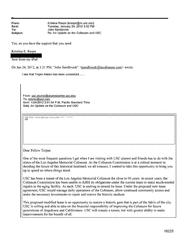
Coliseum executive John Sandbrook and USC worked together to urge USC alumni to post endorsement messages on the Coliseum’s website, according to records. The tactic generated more than 2,800 positive responses, which Sandbrook cited in a report to the commission as evidence in support for the lease.
|
|
|
Dec. 28, 2013
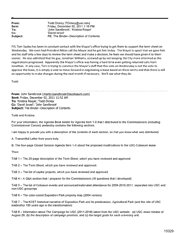
After a receiving a report that then-Los Angeles mayor Antonio Villaraigosa was miffed at not receiving advance notice on the lease terms, USC vice president Todd Dickey writes to Coliseum officials that USC’s president, Max Nikias, and others have been lobbying the mayor.
|
|
|
Dec. 28, 2013
USC shares lobbying strategy with a Coliseum official. “Our trustees are working on him,” referring to persuading Gov. Jerry Brown to support the USC lease of the Coliseum.
|
|
|
Oct. 4, 2013
By Paul Pringle and Rong-Gong Lin II
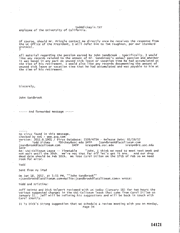
Read the ruling by Los Angeles Superior Court Judge Luis A. Lavin finding that the Los Angeles Memorial Coliseum Commission violated both the state’s open meetings law, the Ralph M. Brown Act, and the California Public Records Act. The Times and a 1st Amendment group, Californians Aware, had sued the government agency for meeting improperly in secret and refusing to provide certain records to The Times.
|
|
|
Sept. 13, 2013
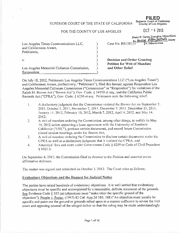
These 100 or so pages of documents are emails sent to or written by officials of the Los Angeles Memorial Coliseum and their representatives. They were sent anonymously to, among others, Gov. Jerry Brown, Mayor Eric Garcetti and many other public officials. The commission unsuccessfully sought a court order to stop the Los Angeles Times from publishing these records or information from them. They are unedited and contain coarse language. ...
|
|
|
June 25, 2013
|
|
|
June 25, 2013
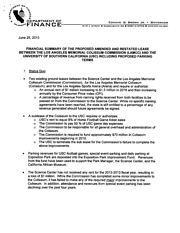
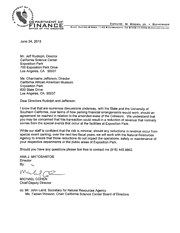
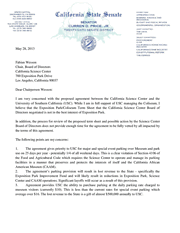
The governor’s office said it would work to ensure reductions in parking revenue do not affect the operations of the the California Science Center, California African American Museum and Exposition Park.
|
|
|
June 25, 2013
|
|
|
June 19, 2013
|
|
|
June 6, 2013
|
|
|
June 5, 2013
|
|
|
June 4, 2013
|
|
|
|
|
|
|
|
|
May 31, 2013
|
|
|
May 31, 2013
|
|
|
|
|
|
|
|
|
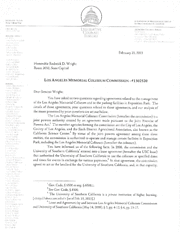
Page 6 of this opinion written by the Legislative Counsel cites an existing state rule requiring the California Science Center to “manage or operate its parking facilities in a manner that preserves and protects the interests of itself and the California African-American Museum and recognizes the cultural and educational character of Exposition Park.”
|
|
|
|
|
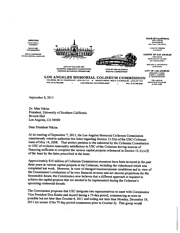
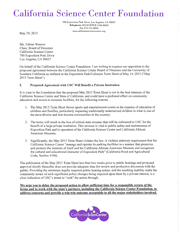
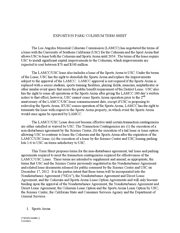
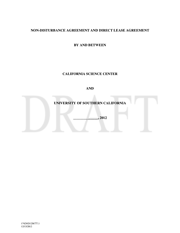
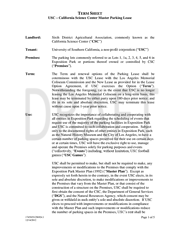
California officials in Sacramento have unveiled a proposed agreement that would give the state’s blessing to a deal to hand over management of the Los Angeles Memorial Coliseum to USC.
|
|
|
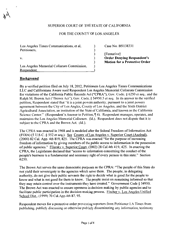
A judge ruled that The Times could not be stopped from reporting on testimony from the top manager of the Los Angeles Memorial Coliseum in a deposition for an open-government lawsuit. Los Angeles Superior Court Judge Luis A. Lavin said that in asking the court to deny Times reporters access to the testimony and a prohibition against articles about it, the commission sought “essentially a gag order.”
|
|
|
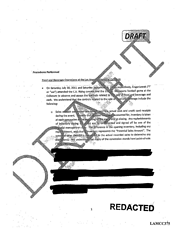
A draft report by a consultant, SingerLewak, found numerous financial problems at the Los Angeles Memorial Coliseum. The redactions in this document were made by the Coliseum Commission.
|
|
|
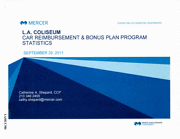
Fewer than 15% of top managers in the healthcare and not-for-profit sectors received car reimbursements on par with those given to Los Angeles Memorial Coliseum managers.
|
|
|
Feb. 14, 2013
The financially troubled Los Angeles Memorial Coliseum Commission is suing its former auditor for more than $11 million, alleging that it failed to detect errors in financial statements between 2007 and 2011, a time where alleged corruption ensnarled the taxpayer-owned agency.
|
|
|
Jan. 10, 2013
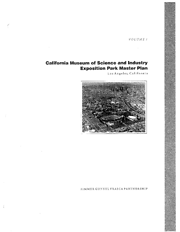
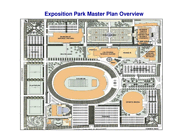
The Exposition Park Master Plan of 1992 called for the creation of more parks where parking lots existed. Exposition Park is state-owned land that is home to the Los Angeles Memorial Coliseum and neighboring Sports Arena, California Science Center museum, California African American Museum, and the Los Angeles County Natural History Museum.
|
|
|
Jan. 10, 2013
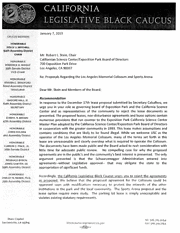
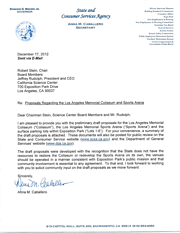
This letter from the California Legislative Black Caucus urges state officials to reject a proposed deal giving USC control of state-owned parking lots surrounding the Los Angeles Memorial Coliseum.
|
|
|
Jan. 10, 2013
Map of the Exposition Park Master Plan, calling for more parks to be built to replace parking lots.
|
|
|
|
|
Jan. 10, 2013
|
|
|
Jan. 10, 2013
|
|
|
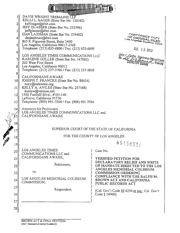
The Times and a 1st Amendment group, Californians Aware, sued the Coliseum Commission, accusing it of violating state laws by deliberating a lease in secret with USC and failing to release numerous public records.
|
|
|
June 6, 2012
By Paul Pringle and Rong-Gong Lin II
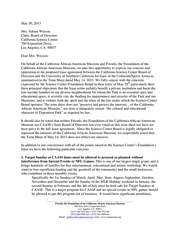
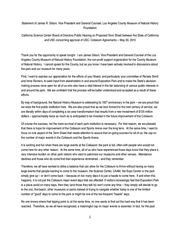
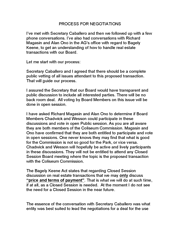
A state official, Robert Stein, who chairs the California Science Center board of directors, sharply criticized the Los Angeles Memorial Coliseum Commission for its handling of negotiations to turn over operation of the Coliseum to USC and said state representatives should take over all talks on the stadium’s future. The following is Stein’s prepared comments to the Science Center board, which he delivered on June 6, 2012.
|
|
|
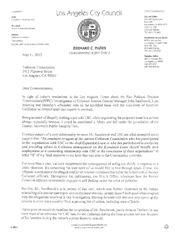
Amid a state investigation of the Los Angeles Memorial Coliseum’s top executive, Coliseum Commission member and City Councilman Bernard C. Parks demanded that the panel delay a Monday vote on surrendering stewardship of the public stadium to USC.
|
|
|
The beleaguered Los Angeles Memorial Coliseum Commission unveiled a proposed lease agreement Tuesday that would surrender public control of the historic 88-year-old stadium to USC.
|
|
|
April 13, 2012
By Paul Pringle, Rong-Gong Lin II and Andrew Blankstein
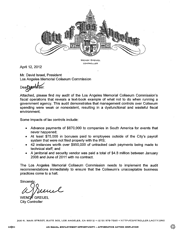
A new city report assails officials in charge of the Los Angeles Memorial Coliseum for failing to impose even basic financial controls, allowing the routine squandering of public money and permitting corruption to take root in “a dysfunctional and risk-prone culture.”
|
|
|
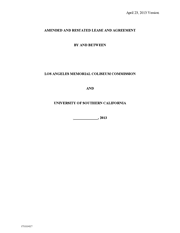
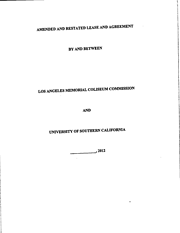
Staggered by a financial scandal that unfolded on their watch, the public officials who run the Los Angeles Memorial Coliseum are preparing to turn over control of the taxpayer-owned stadium to USC under a lease that would deliver it into private hands for up to 42 years. The Times obtained a copy of a confidential draft of the lease agreement.
|
|
|
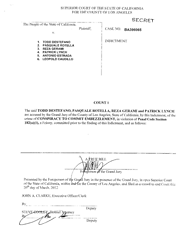
The 29-count indictment accuses six people, including three former top managers for the Los Angeles Memorial Coliseum, of conspiracy, embezzlement and bribery charges for allegedly stealing millions from the historic stadium. Two top rave producers were also indicted.
|
|
|
A second company with ties to the Los Angeles Coliseum said Thursday they anticipate that their chief executive will be arrested by investigators from the District Attorney’s Office.
|
|
|
Jan. 31, 2012
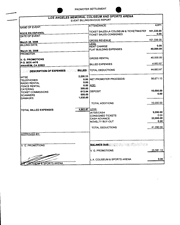
Invoices obtained by The Times show that the Los Angeles Memorial Coliseum approved cash advances to the stagehands union, the International Alliance of Theatrical Stage Employees.
|
|
|
Jan. 31, 2012
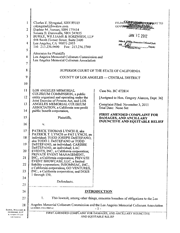
The Jan. 10, 2012 amended lawsuit by the Los Angeles Memorial Coliseum Commission against Patrick Lynch, Todd and Carisse DeStefano, their private firms, and Go Ventures and Insomniac.
|
|
|
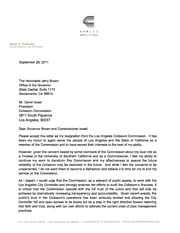
Wealthy developer Rick Caruso resigned Wednesday from the scandal-plagued Los Angeles Memorial Coliseum Commission, ending a stormy tenure during which he clashed frequently with fellow panel members over their stewardship of the stadium.
|
|
|
Sept. 2, 2011
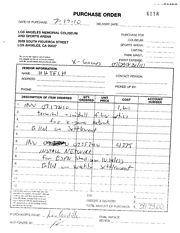
A private company founded by Leo Caudillo, technology manager at the Los Angeles Memorial Coliseum, has received about $30,000 in payments from the publicly owned sports and entertainment complex. Attached are copies of some purchase orders he submitted requesting payments to the company, HH Tech. The orders are authorized by Ronald Lederkramer, the Coliseum’s chief finance official. Also attached is a copy of a statement Caudillo filed with the government ...
|
|
|
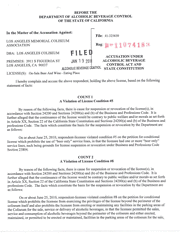
The California Department of Alcoholic Beverage Control has accused the Los Angeles Memorial Coliseum of multiple violations of their conditional alcohol license during the Electric Daisy Carnival rave last year, including allowing teenagers to consume alcohol. The Coliseum was also accused of allowing consumption and sales of alcohol outside of its licensed area, such as the parking lot. Penalties for a violation of an alcohol license can range from a ...
|
|
|
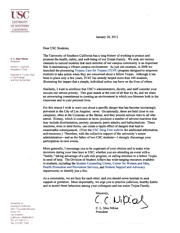
USC President C.L. Max Nikias warned students from attending raves, which he called “a specific danger that has become increasingly prevalent” in Los Angeles. He specifically referred to raves held near USC at the Coliseum and Shrine Auditorium, and warned that because the hallucinogenic drug Ecstasy is common at the events, “they present serious risks to all who attend.” The letter, released on Jan. 26, 2011, was distributed a week ...
|
|


